



Rhode Islanders overwhelmingly support development of more housing, a fact often lost amid the noise of a small number of vocal opponents opposed to individual projects, say advocates.
That’s a key takeaway from a new statewide poll by YouGov on behalf of nonprofit Neighbors Welcome! Rhode Island, which shows that 88 percent of state voters agree that the General Assembly should take action to address the costs and availability of homes.
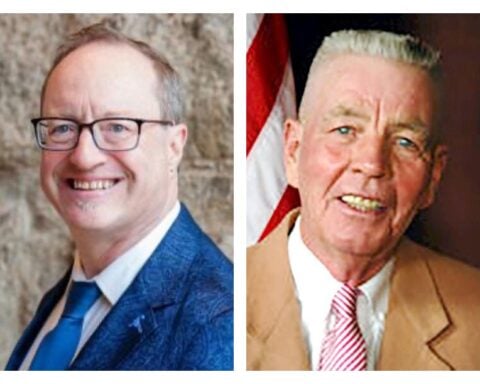
Claudia Wack, board president of the organization, told The Local Insider she believes the reason there is so much support for more housing for a number of reasons, including that the situation has grown so dire, that in addition to those directly affected by today’s prices, many are seeing family members also struggle.
One result of the poll showed 79 percent saying that housing costs have had a negative impact on them or their loved ones. Housing options are few and far between, and when the younger generation in the family is forced to move away from grandparents still in the area, the problem becomes more visible, she said.
The survey assessed residents’ policy priorities, their views toward the state of the local housing market, and their support for policies that would improve the availability and affordability of new homes, according to a news release.
“It is no surprise that cost and availability of housing are pressing issues for Rhode Islanders,” said Kristina Brown, executive director of Neighbors Welcome! Rhode Island. “When asked what is the most important issue or challenge facing the state, forty-seven percent, or nearly half of voters, named housing as the top issue, and forty-one percent ranked affordability as the top issue. Rhode Islanders feel that there are not enough homes and support elected leaders who are addressing the issue.”
Notably, say those from Neighbors Welcome, the results counter the belief that residents disapprove of new homebuilding, a misconception fueled by public hearing processes that tend to elevate opposition sentiment.
“Seven out of ten voters support creating more homes in their neighborhoods, even if that means their neighborhoods would experience change,” said Wack in a statement. “Voters across party affiliations, ages, and household types all support their elected leaders taking action to build more and different types of homes.”
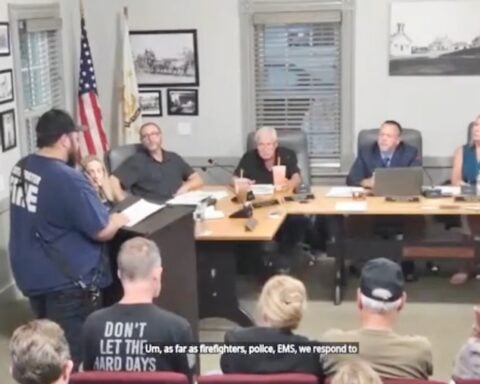
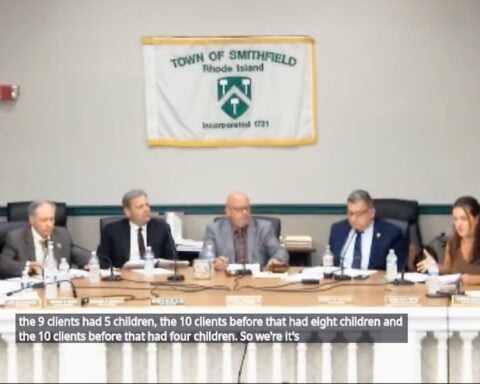
In the same way “10 angry folks” who show up to a city or town meeting to protest a development, the same can happen on social media, said Wack, giving decision-makers the impression that there’s a lot more opposition to a proposal than there actually is. What this group is trying to do is help people understand that while this loud opposition is a real phenomenon, it shouldn’t be taken as representing close to everyone, she said.
Neighbors Welcome! Rhode Island was formed a few years ago in response to the worsening housing crisis post-pandemic, as the scale of pricing increases was really setting in. Things weren’t great before, said Wack, but by 2023, the situation was intensifying and becoming unsustainable.
The founders of the nonprofit have a mutual passion for fixing the situation, she said. They rely on a combination of small-dollar donors and people who are interested in funding national housing campaigns, and they’re part of a larger network of similar groups nationwide.
Wack was asked if NIMBY-ism, or the automatic not-in-my-back-yard opposition to a project, has taken a hit since Rhode Island lawmakers started relaxing laws around development and redevelopment in recent years. She said that while it’s become more difficult to block housing and easier to develop, and that common-sense development can now be approved more often on an administrative level, public hearing processes still elevate a “minority bus very vocal opposition” who can have an outsized impact. Decision-makers are left with the impression of widespread opposition, she added, even though many people who would favor such a project wouldn’t have the time to spend three hours in a zoning meeting on a Wednesday evening.
Wack said the organization is focused especially on redevelopment of existing properties, keeping in mind the principles of building smartly and sustainably.
On bills they’re supporting this year, she said, would provide state subsidies for adaptive reuse of former nursing homes and underutilized office space.
Another would allow homes on smaller lots where there is water and sewer infrastructure, preventing unnecessary sprawl to get the same number of homes.
Another bill, she said, would make it easier for faith-based institutions to build affordable housing on their land. Part of the Yes In God’s Back Yard (YIGBY) movement across the country, this would make it easier for churches that are often “land rich but cash poor,” as Wack put it, to install new housing. These churches often can’t figure out what to do with a structure on the property or large parking lots, she added.
More generally, they’re working on a parking reform bill modeled after Connecticut and Vermont that would cap more excessive requirements, balancing all variables.
Key findings from the poll include:
- Housing is a pressing concern for voters of all demographics. Fully 91 percent of Rhode Islanders view housing as a “major problem” or “somewhat a problem.” The result was consistent across geography: 92 percent of respondents outside of Providence view housing as a “major problem” or “somewhat a problem. Eighty-one percent of voters say there are not enough homes that average people can afford to rent or buy, and 83 percent of voters outside Providence say there are not enough homes average people can afford to rent or buy. Seventy-nine percent say that housing costs have had a negative impact on their or their loved ones’ lives.
- Voters think the state should prioritize homebuilding, even if it means accepting certain tradeoffs. Eighty-eight percent of voters agree that the state should take action to address the cost and availability of homes. When presented with a choice between building more homes and preserving the existing character of local neighborhoods, 69 percent of voters say it is more important to build more homes.
- Rhode Island voters support specific policy solutions. Voters expressed strong support for a suite of potential housing reforms currently pending before the state legislature: 90 percent of voters support allowing vacant office buildings, schools, and other commercial buildings for new homes. Seven-seven percent of voters support allowing faith institutions (churches, synagogues, etc.) to use a simplified permitting process to build affordable housing on their land. Seventy-four percent of voters support allowing homes on smaller lots when there is access to water and sewer infrastructure. Fifty-four percent of voters support lifting parking mandates and granting more flexibility for homebuilders and businesses to determine how much parking to build on a specific property.
- Voters support funding and enforcing housing reforms. Eighty-two percent of voters support subsidizing the conversion of vacant offices, schools, and other commercial buildings into new homes. Seventy-five percent of voters support establishing a new tax on higher income earners to fund childcare, healthcare, housing, education, and public transit. Sixty-eight percent of voters support requiring towns to comply with new laws to allow more homes to be built, even if it means creating penalties for noncompliance.
Full polling results and details about methodology can be viewed here: http://neighborswelcomeri.org/