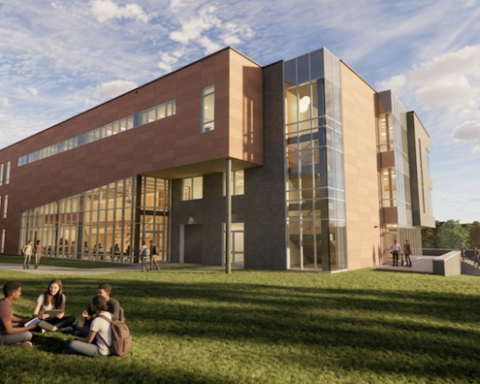



WOONSOCKET – This summer, the Rhode Island Community Food Bank will facilitate programs across the state encouraging healthier nutritional habits. The Healthy Habits program has been running for years, but this will be the first summer the Woonsocket Harris Public Library participates, joining about 17 other libraries in the state.
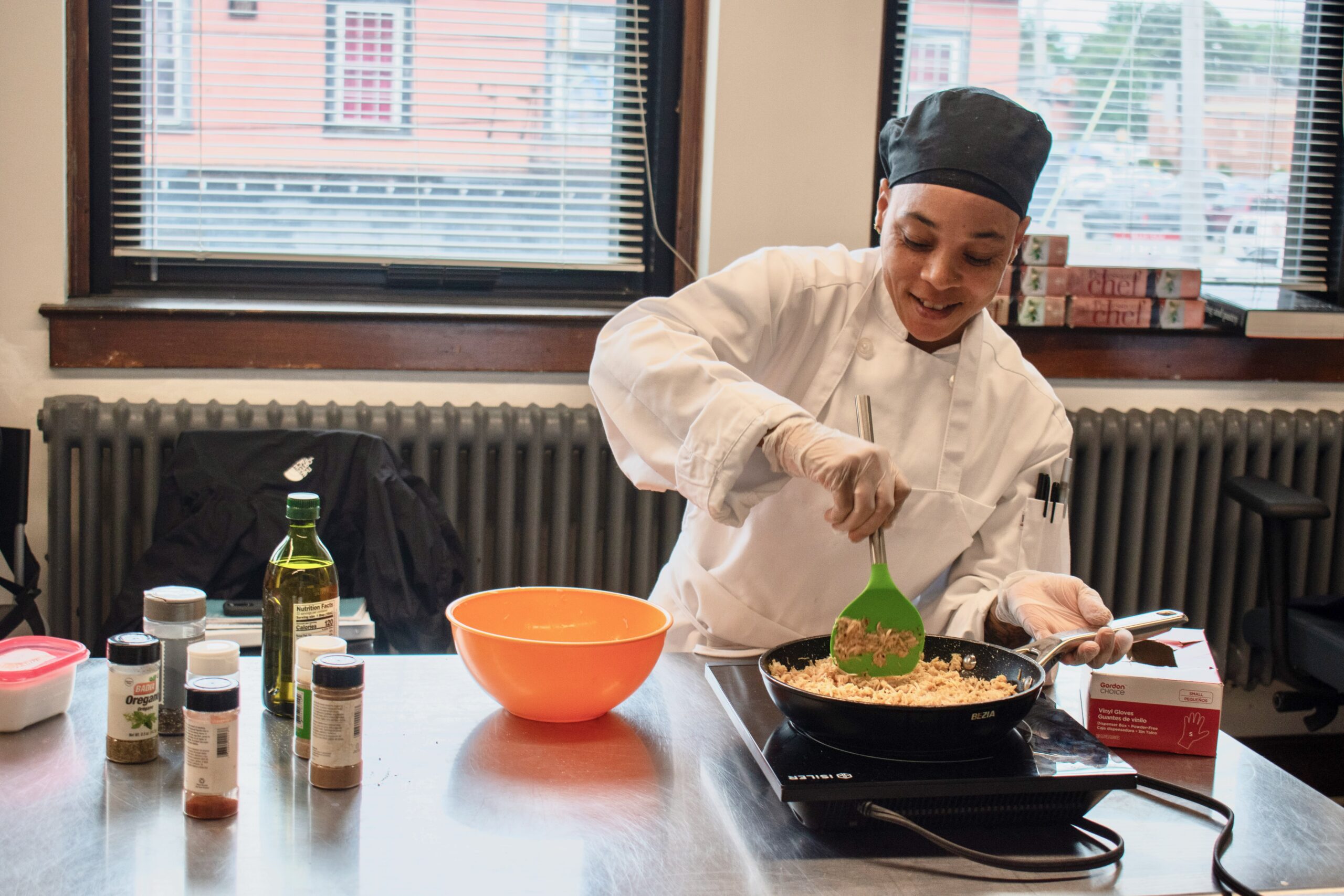
Starting July 1, Woonsocket children and teens will meet on Wednesdays for six weeks to learn about food science, mindful eating, and age-appropriate kitchen skills. The Food Bank’s community nutrition team developed the curriculum based on evolving scientific research. It covers topics such as digestion and macronutrients, the gut-brain connection, how to read a nutrition label, and global food cultures.
The program is one intervention targeting food insecurity, obesity, and the long-term health consequences that these issues can cause. As of 2023, 37 percent of Rhode Island children and teens were considered either overweight or obese, with the highest obesity rates among Hispanic and Black youth.
Though weight is not always a good indicator of health, national studies have identified a connection between poor adolescent nutrition and diabetes, high blood pressure, and other heart conditions in adulthood. Diet-related diseases are the leading causes of death in the U.S.
The Healthy Habits program works to reduce these risks and improve community health, not only by promoting healthy eating, but by bringing communities together.
Four guiding philosophies drive the Food Bank’s programming. The first is accessibility.
“We believe that everybody deserves access to delicious nutritious food as well as quality nutrition education,” said Yesenia Barnier, director of community nutrition at the Food Bank.
One way the Food Bank maximizes accessibility is by hosting classes in community spaces where participants are already comfortable.
“I like to say we’re borrowing trust from these locations,” said Barnier. The programs are also completely free, the recipes are translated into Spanish, and the Food Bank provides all necessary supplies.
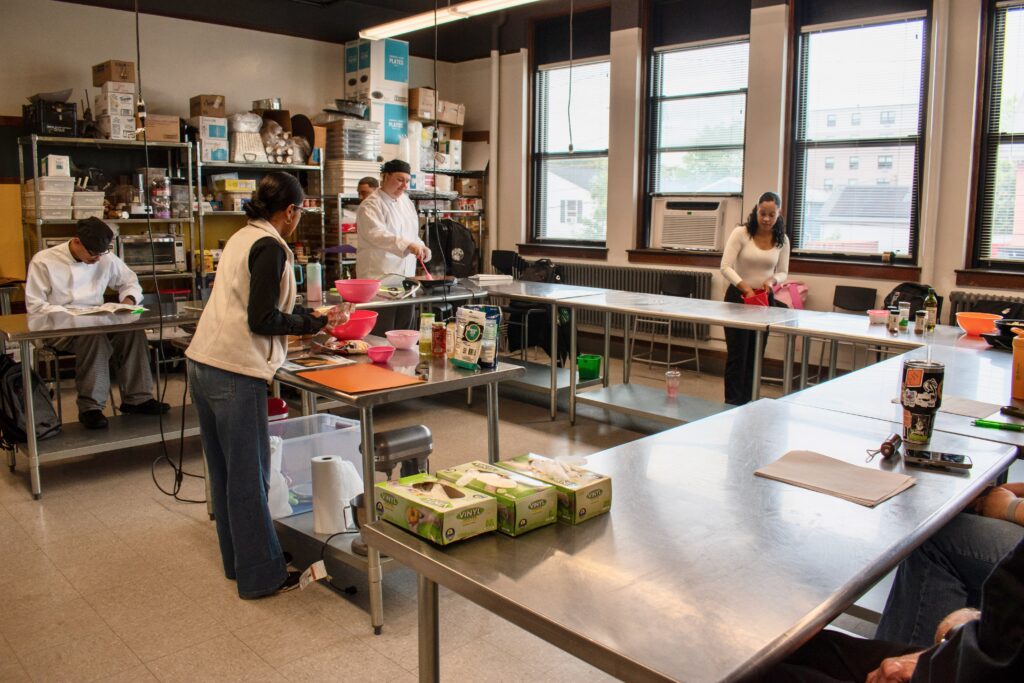
The second philosophy is “all food fits,” which emphasizes balance in a healthy diet. According to the Healthy Habits mission statement, “Food has no moral value. There is no ‘good’ food and there is no ‘bad’ food.” Still, the mission statement emphasizes the importance of incorporating whole, minimally processed foods into one’s diet (the fourth philosophy: “whole foods first.”)
In the teen program especially, facilitators emphasize the third tenet: the idea that bodies of all sizes can be healthy.
“We don’t glorify body types, big or small,” said Barnier. “Instead of talking about the physical attributions of (bodies), we talk about what our bodies are capable of doing at every size.”
In the teen program, facilitators display photos of different people and ask participants to rank their healthiness with no context. Barnier said teens are often stumped by a female competitive bodybuilder who lives in a larger body. “They’re always so surprised to see that she is winning medals and awards and is really well known in the fitness industry world, so (we’re) really just debunking that idea that a slim body is a healthy body,” she said.
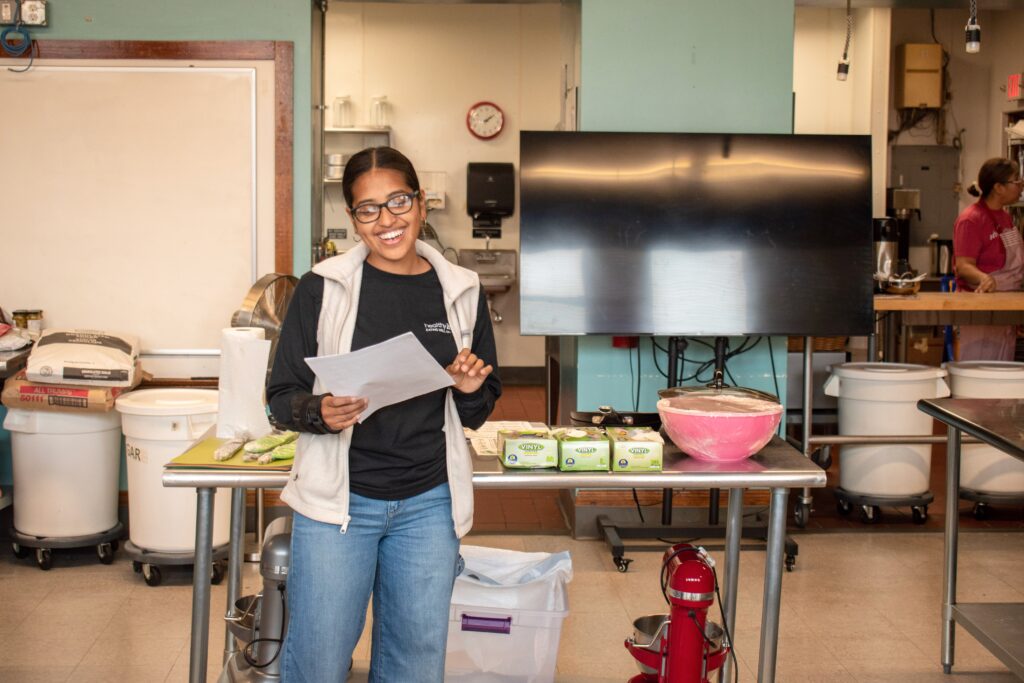
Though the Food Bank has a set Healthy Habits curriculum, facilitators modify classes based on the knowledge, skills, and preferences participants bring to the class.
“We are not a dietetic program. We’re not measuring BMIs. We’re really taking more of this holistic approach to a person. We’re really making sure that we’re taking into consideration what the whole person brings to our class,” said Barnier.
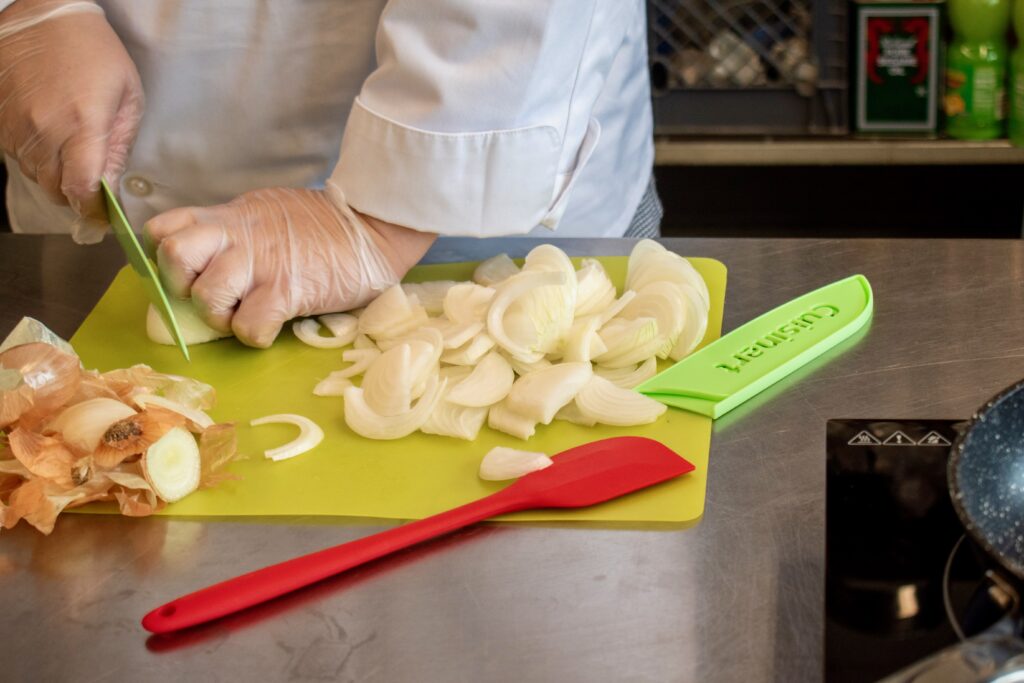
Even for the youngest participants, the Healthy Habits program takes a skills-based approach. Facilitators teach participants how to stretch their dollar at local grocery stores and how to locate whole foods during the colder months when fresh produce isn’t as readily available. Then, participants learn how to cook a recipe together, and they take home a bag of groceries to replicate the meal at home.
“People assume that because we’re going out and facilitating, that we are going there with this plethora of knowledge … and that we have to teach our community how to be healthy. And that’s so far from the truth. Our community knows how to be healthy, right? We have to build skill on … how to implement those habits in our days,” said Barnier.
She recalled one participant who wanted to make pupusas, a flattened dough from El Salvador stuffed with ingredients of beans, melted cheese, and meat. The class discussed their cultural importance, and facilitators introduced small recipe adjustments to add nutritional value. “We really lean on this concept of … eat what you love, add what your body needs,” said Barnier. In the next class, facilitators brought the ingredients, and the participant who suggested making pupusas led the demonstration. In cases like this, “(participants are) teaching their peers,” said Barnier. “They’re building the empowerment of saying, ‘This is something that I love. Here is what I’m learning in this class. Here’s how we can put it together. I’m showing you how to do something.’ So I think the most impactful moments are when we’re learning from our community, too,” said Barnier.
Participants have shared positive experiences with the Health Habits programs. Dian Birkbeck, who attended a class series at Fuller Creative Learning Center in East Providence, wrote to the Food Bank, “I learned so much with (the instructor). She is so knowledgeable and informative. She made the classes so much fun. Loved all her recipes.”
Parents can register their children in this summer’s Healthy Habits series by emailing the Woonsocket Library at or .