


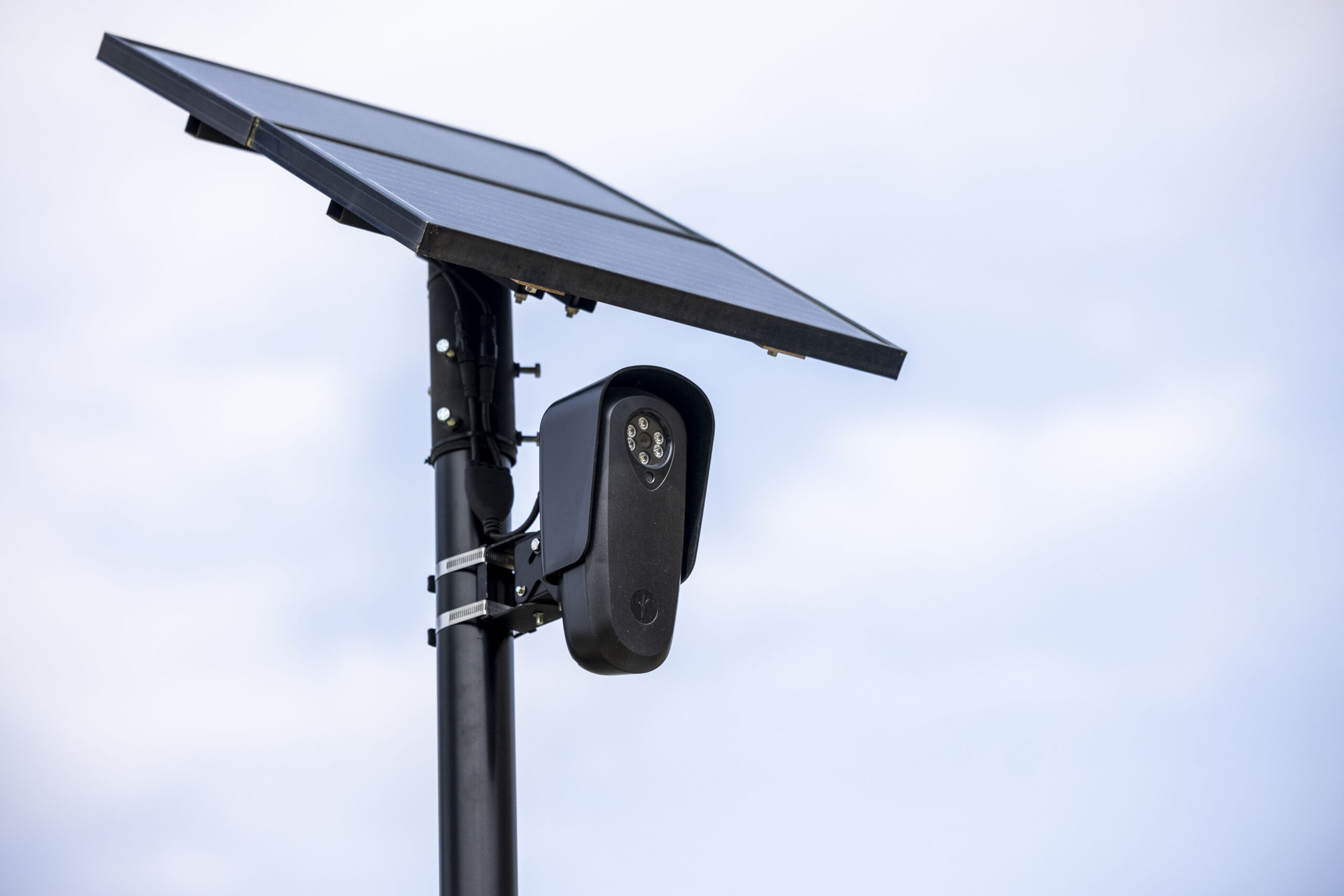
LINCOLN – Drivers coming in and out of Lincoln from just about every surrounding community are already being monitored by Flock Safety cameras, says Town Administrator Phil Gould.
These same Automated License Plate Recognition (ALPR) cameras, once they’re live in Lincoln, will be carefully governed by enforceable policies through the Police Department, says the administrator, and will not be able to be used for nefarious purposes. Draft policies are still a way off from being completed following approval of the Flock system in the budget earlier this year.
Gould emphasized that Lincoln is late to the party, so to speak, on cameras he said are paying off for the town in big ways just by having them capturing license plates in surrounding communities.

Two examples of many, said Gould, include:
- A man arrested in Providence last month after shooting a gun during a road rage incident in Lincoln;
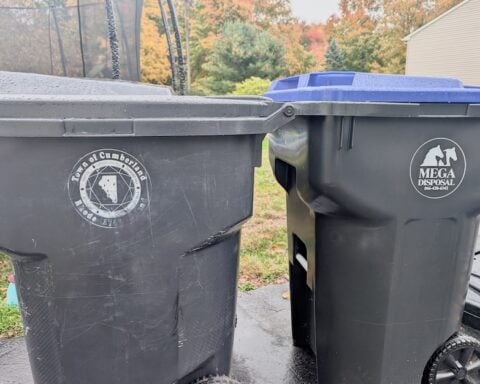
- And a Cumberland man being arrested in March after illegally dumping trash along Moshassuck Valley Industrial Highway, an investigation done in conjunction with police in Cumberland, Central Falls, and Pawtucket.
“It’s a great tool,” Gould told The Local Insider. “It’s not about Big Brother.”
This is not new technology, he said, and is used with great effectiveness across the state to enhance public safety.
Lincoln is a great place to live, Gould said, but it is not entirely immune to crimes, shootings, kidnappings, or people living with dementia who go missing. Flock cameras are used to quickly and efficiently investigate and find answers far faster than humans can do on their own, he said.
The growing Flock camera system has sparked sharp criticism from privacy advocates, many of whom label their use an overreach and another step toward a surveillance state where privacy is violated and everyone is always being watched on camera. Some suggest that the cameras could be used for the wrong purposes in the wrong hands, noting that no technology is truly impenetrable.
The Lincoln Police Department has issued information explaining what the system does and doesn’t do.
“Our goal is to increase public safety while protecting individual privacy,” said police in a statement.
The cameras are a vehicle-focused tool helping officers locate cars connected to crimes and ongoing investigations, stolen vehicles, AMBER and Silver Alerts, and missing or endangered persons, say police. A still image records the plate number, make, model, and color of the vehicle, distinguishing features, and the date, time and location of its passing.
There is no facial recognition, it is not used to identify drivers or passengers, no GPS data is taken from vehicles or phones, it does not connect to or scan phones, it does not detect Bluetooth devices, it records no audio, there is no continuous surveillance, and it is not used to track law-abiding citizens, said police.
An alert fires only when a plate matches legitimate criteria on a stolen or wanted vehicle, missing person alerts or investigations, or vehicles linked to an active criminal case.
Only authorized personnel may access Flock data, and searches must follow department policy and applicable law. Any retrieval of information from Flock is logged, including the reason for access, and unauthorized use is a violation of departmental policy and subject to appropriate disciplinary action.
All captured plate data is automatically and permanently deleted after 30 days, and records are kept beyond that window only when they are evidence in an active investigation, in accordance with department policy and the law. Nothing is stored indefinitely, said police, and law-abiding residents’ data is not retained.
Benefits to Lincoln will include faster recovery of vehicles, faster location of missing or endangered people, generated leads in burglaries, robberies, assaults, and hit-and-runs, reduced investigative time and improved efficiency, and objective vehicle data supplementing officer work, without adding staff.
“Because criminals routinely cross town lines, connecting to the regional network strengthens inter-agency cooperation and gives investigators reach beyond a single jurisdiction,” said police. “Nationwide, thousands of police agencies use Flock to solve major crimes, locate missing persons, and improve public safety.”