



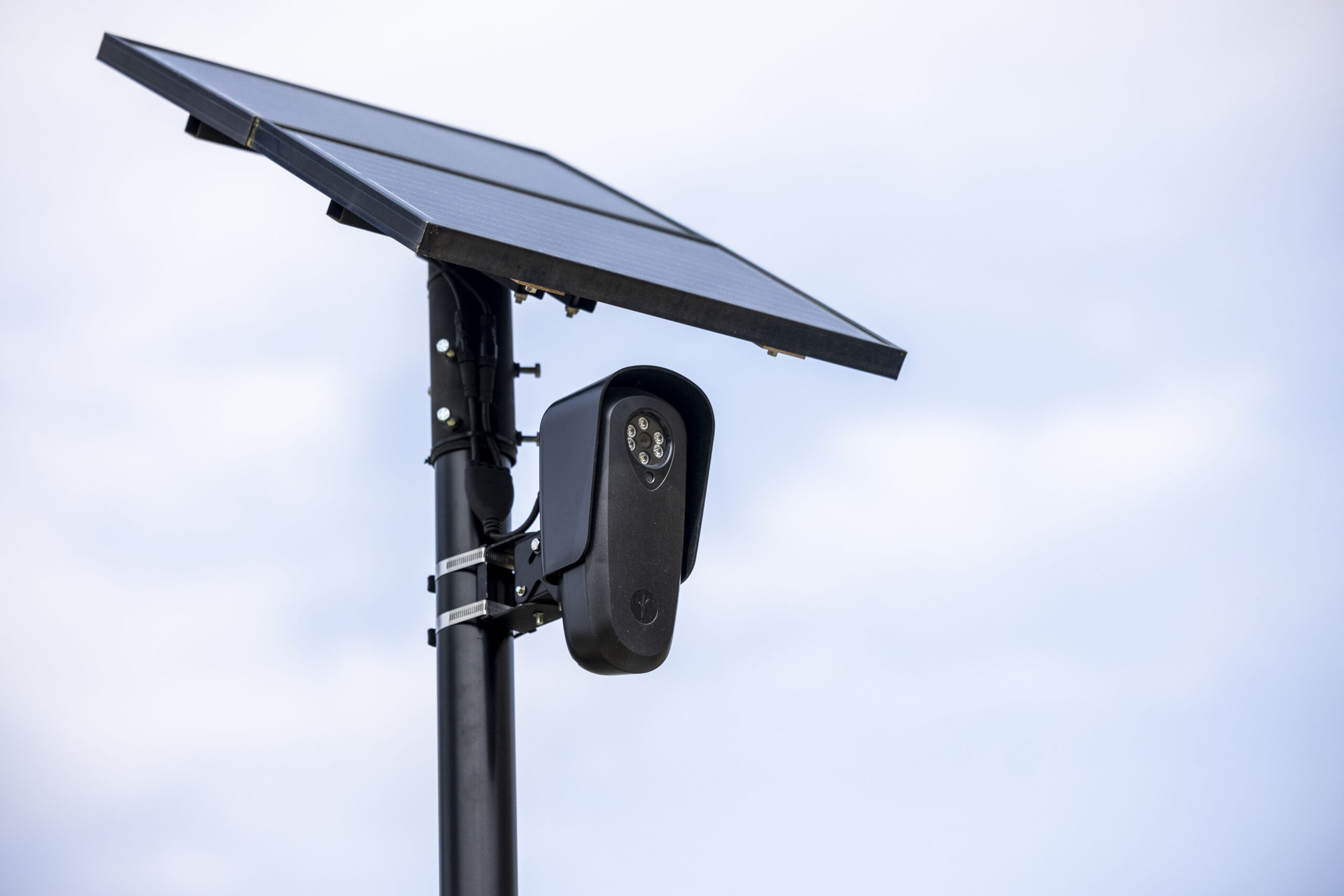
GLOCESTER – Joining a growing list of communities to reverse increased surveillance measures, the Glocester Town Council voted 4-1 Thursday night to end its contract with Flock Safety and remove license plate-reading camera technology from roadways.
Residents turned out to state many concerns, including about potential improper use and abuse of the technology and further erosion of privacy. They said that loss of privacy is more important than any claims of improved safety and crime-fighting ability from having the cameras. They cited a potential slippery slope.
New Chief Jeffrey Jenison supported keeping the cameras, and Councilor Walter Steere was the lone vote on the council to keep them in place.
The ACLU issued a breaking alert after the vote, saying it came after a “deeply thoughtful conversation between residents and councilors.”
Representatives noted that this is the third Rhode Island community in the past three weeks to cancel its Flock Safety contract. Others are Narragansett and South Kingstown, and there is a growing chorus of opposition in other communities as well.
Glocester’s Flock cameras, which are used as part of a network of communities in the state to track the whereabouts of missing people and suspects, among others, have been in place since 2023.
A popular post making the rounds in town this week states the following:
“If we put up a system that allowed us to track every movement of law enforcement and government officials, they’d be tearing it down and arresting us. Read that again.”
Jenison made the case to keep the cameras, saying their goals are for improved public safety and protecting privacy of residents. The cameras, he said, don’t identify drivers or passengers by name, race, or gender. Access to the footage is not allowed outside of a select circle, and every search within the system requires documentation on why it’s needed for an investigation. He said the cameras have been used to help resolve some 50 cases in three years, on everything from illegal dumping to domestic violence, reckless driving to stolen vehicles. He said technology never replaces good police work.
According to the ACLU, they’ve been keeping tabs on Rhode Island State Police work to distribute camera across the state since last year.
“The RISP are installing 39 cameras in 22 municipalities after getting approval from the cities and towns over the past 9 months,” they said. “In 18 of 22 municipalities, the chief of police approved the installation of the RISP-owned camera(s), without the city/town councils hearing the request, much less any public input.”
Four towns put the request from State Police to a vote, and of those four, Warren and Portsmouth rejected the request, they added.