



SMITHFIELD – A new Certified Local Government designation for this town will make it easier to acquire money to preserve properties of historic value.
On Aug. 20, the Planning Board recommended that the Town Council adopt a new ordinance on historic district zoning and establish the new Esmond Historic District as the town’s first historic district.
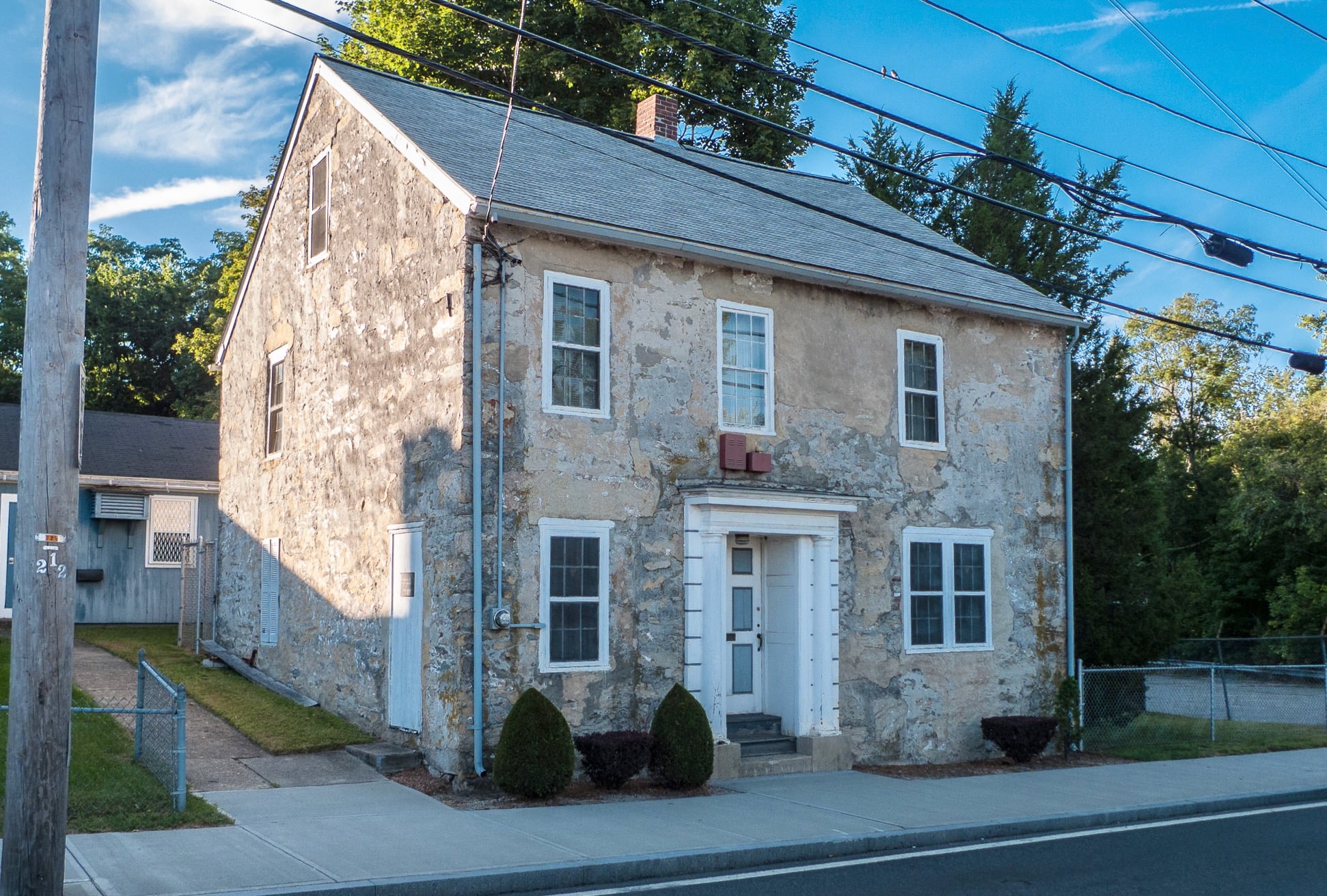
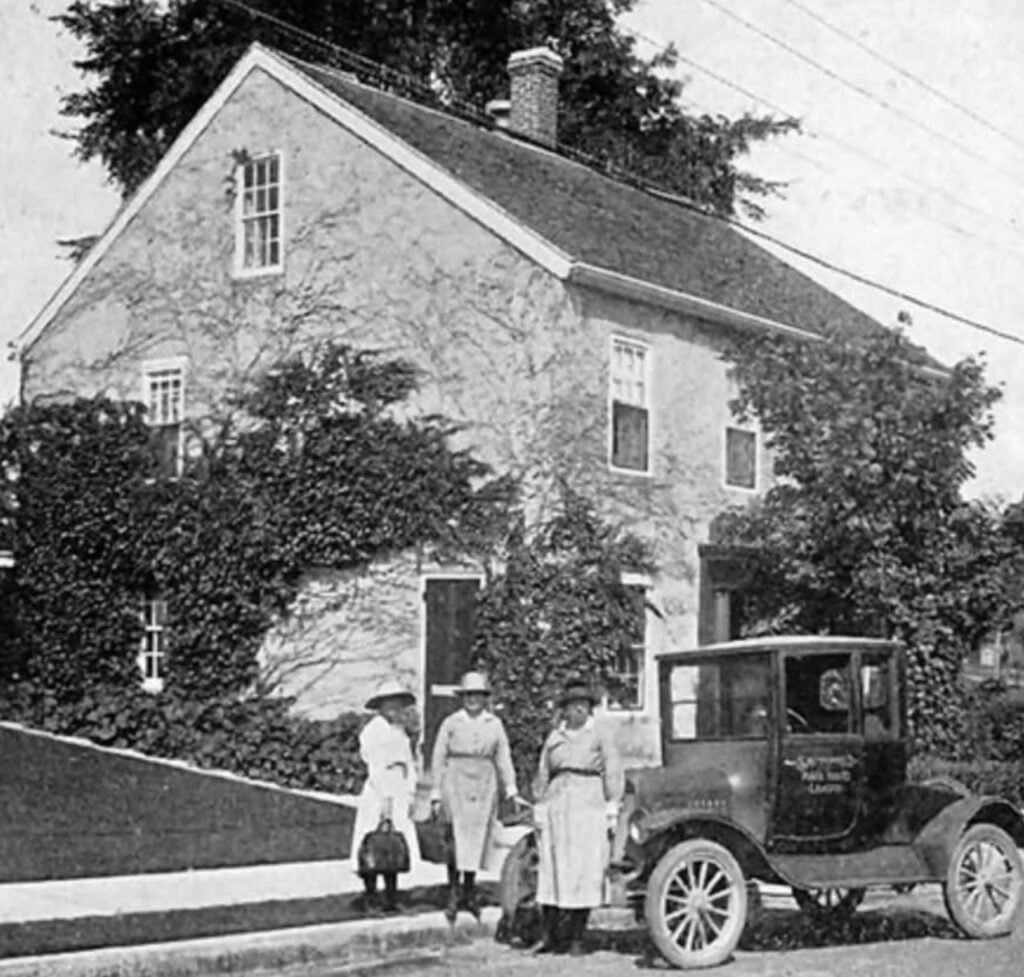
Just two buildings, the town-owned East Smithfield Neighborhood Center and Allenville Mill Storehouse, will be part of the district. With the ESNC not needing more upgrades for a long time, this is all about the restoration of the mill storehouse.
Ben Caisse, of the Smithfield Historic Preservation Commission, explained to the board that the commission collaborated with Planning Director Gregory Guertin on the effort to give Smithfield Certified Local Government, or CLG status, similar to 18 cities and towns in the state, including Cumberland, Glocester, North Smithfield, and North Providence.
Caisse said such a designation sends a clear message that Smithfield is placing a priority on preservation, but an even larger motivator is the grant funding that would become available through the Rhode Island Historic Preservation and Heritage Commission. While they’re all about preservation, he said, the main impetus is the money.
The RIHPHC’s annual grant program of $75,000 total has doled out a range of grants in the $7,000-$25,000 range over the past five years, said Caisse. What makes these grants so attractive, he added, is that they don’t require matching funds, and the town can apply for them annually. With few preservation grants out there, that is a big deal, he declared.
Also a benefit of the CLG designation is that applications aren’t restricted for use within the historic district, which in this case will only have the two buildings in it, said Caisse. The money from grants can’t be used for physical construction, but in the case of the Allenville Mill Storehouse, a grant of $15,000-$25,000 could be used for a condition assessment, which the town doesn’t have the money for. There’s a whole variety of other projects money can be used for, he said. Camp Shepard isn’t within the district, he said, but if the town wanted to, they could apply for a grant to assess that property as well.
Caisse emphasized that there aren’t 18 CLG communities applying for grants every year, making applications less competitive. He said officials are salivating a bit at the prospects for the grants and the financial benefit they would bring. They could be used historic panels, historic plaques, or “infinite possibilities.”
Because having a historic district commission is required and the town’s HDC has been inactive for 30 years, said Caisse, and because the ordinance drafted in 1970 has so little of the required language, repealing and replacing the existing ordinance makes the most sense.
Caisse said they felt they could kill two birds with one stone by having the Smithfield Historic Preservation Commission stand in instead of trying to have a new commission made up of members who meet requirements.
Caisse said there are no current plans to add other buildings into they historic district as of now, including private residences. He said they’re developing a property owner’s guide that meets the town’s needs and sets guidelines that only apply to the exterior of the building. A routine process would send items such as new windows for the building for a review. He said paint color is not regulated.
The first project targeted would be a full assessment of the storehouse at 5 Esmond St., according to Caisse.
Guertin said other properties could be added and overseen by the new regulatory body later, but there are no current plans for a wider effort.
The CLG indicates a higher level of preservation, said Caisse, giving the town a bit more status on other grants.
Board members said they’re a bit concerned about unintended consequences on property owners if more buildings are added later, including any ambiguity. Caisse said the guide is meant to be reasonable and to have wiggle room and set guidelines to work together on materials, not dictate every last detail. This is a statement that the town is willing to elevate its effort on historic preservation, he said, not function as a heavy hand. He said they have no intention of adding other properties, and if more properties were added in the future, the Town Council would have to approve them.
The board approved the changes, with the understanding that there will be further discussions about concerns raised by Chairperson James D’Ambra about impacts to future properties should they be added to the district.