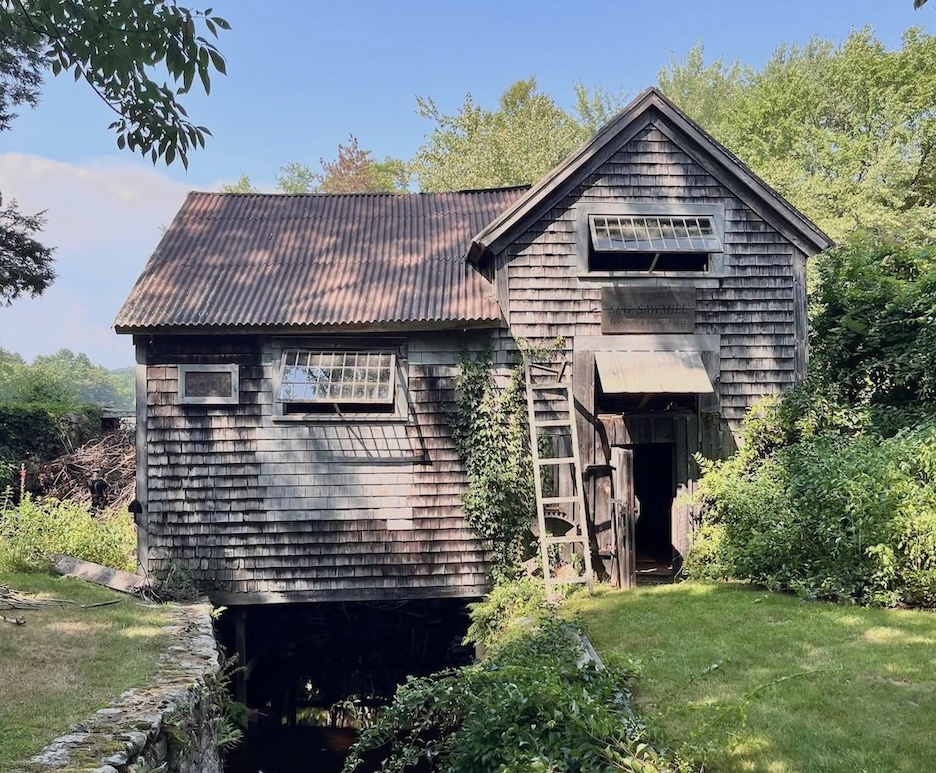




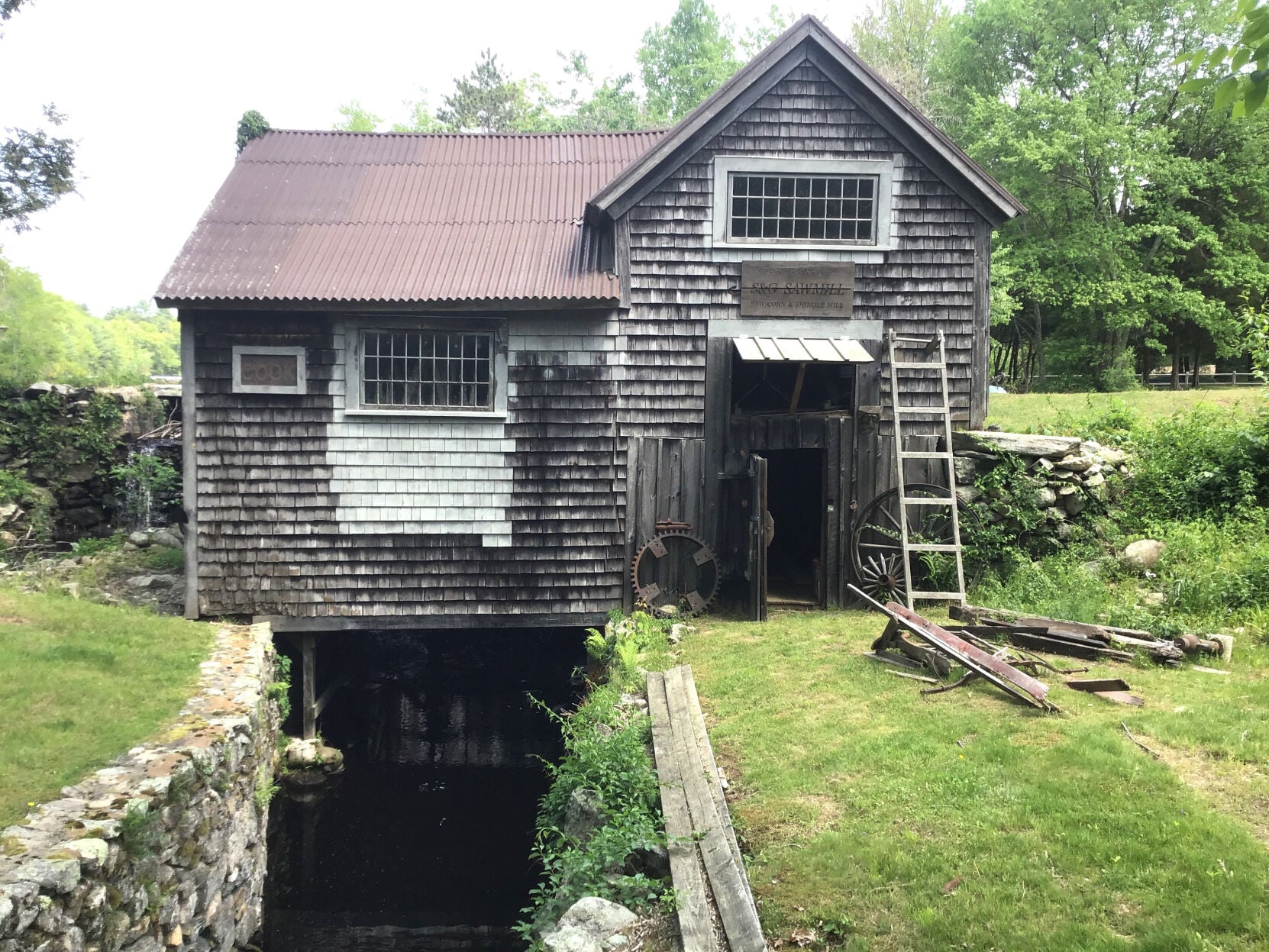
CUMBERLAND – Grant’s Mill has been added to the National Register of Historic Places, an exciting outcome for the old property, he said.
Grant’s Mill is one of two Rhode Island mills, also including the Eagle Steam Mill in Providence, recently added to the National Register, recognizing its outstanding significance to our state’s industrial and engineering history, said Mutter.
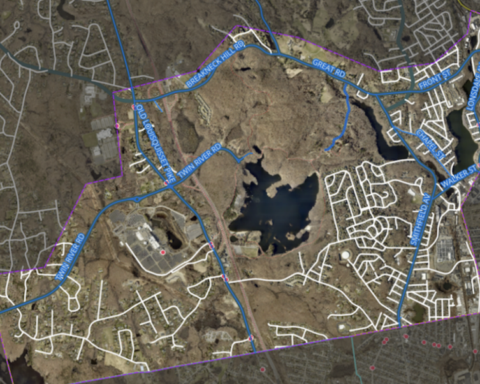
The mill is located at 36 Grants Mill Road, around the corner from Diamond Hill Park and near where Diamond Hill Road meets Pine Swamp Road.
The National Register is a national list of properties considered worthy of preservation, while National Historic Landmarks represent examples of history and culture.
“This achievement was made possible in part through the town of Cumberland’s successful award of a Certified Local Government grant from the Rhode Island Historical Preservation & Heritage Commission,” Mayor Jeff Mutter stated in an announcement. “The grant funded the preparation of the National Register nomination, helping preserve and celebrate this remarkable piece of Cumberland’s history.”
Mutter congratulated property owner Jeffrey Cook, everyone involved in the nomination process, and the town’s partners at the Rhode Island Historical Preservation & Heritage Commission for helping secure this well-deserved recognition.
“I’m very happy to have Grant’s Mill accepted into the National Register,” said Cook, “My next step is to apply for grants to restore the mill back to working order.”
The property has long been recognized as significant, holding particular interest for scholars of industrial technology, states a release from the Rhode Island Historical Preservation & Heritage Commission. Grant’s Mill is a rare surviving example of early 19th century water-powered manufacturing, and its ca. 1818 sawmill is the only extant sash-type sawmill remaining in its original location in Rhode Island. This once common type of sawmill was almost entirely replaced by steam-powered production like that used at Eagle Steam Mill.
Grant’s Mill is unusual in that it also includes an attached grist mill. Water-powered country sawmills like Grant’s Mill were vital to the early economy of Rhode Island and the region. In 1840, there were approximately 5,500 small-scale sawmills in New England. They primarily served the local community, though some that were located near larger rivers exported their products to be sold in Boston and Providence.
Joseph Grant established Grant’s Mill following the loss of his family’s earlier sawmill in the Great Gale of 1815, and The Rhode Island State Business Directory lists Grant’s Mill as commercially active until 1909, after which it was sold to private owners by trustees of Grant’s heirs.
Because of the rarity and engineering significance of the site, in 1975, a field team from the Historic American Engineering Record (HAER) traveled to Cumberland to document the sawmill and its surviving mechanisms. The summarized results of this work were compiled and published in 1978 as Rhode Island: An Inventory of Historic Engineering and Industrial Sites and field notes and photographs of Grant’s Mill were archived at the Library of Congress.
A synopsis prepared last year by Brent Runyon and Ned Connors, of Runyon Heritage Associates and Edward Connors & Associates says it’s comprised of a circa 1818 up-and-down, or “sash” (long straight saw blade with wood frame) sawmill and an attached mid-19th century grist mill located at the southern outlet of Miscoe Lake, also known as Grant’s Mill Pond.
It’s on a 50-acre former industrial impoundment of Miscoe Brook, in the southern part of Wrentham, Mass., and northern part of Cumberland. The mill buildings themselves are entirely in Cumberland. The neighborhood is called Grant’s Mill and is located northwest of Diamond Hill in a suburban and wooded area.
The mill includes a wheel pit serving both the grist mill and sawmill. The upper sawing floor contains up-and-down sawmill machinery, including wooden saw frame and supporting fender posts, steel saw blade, cogged log carriage resting on timber ways running the length of the sawing floor, head and tail blocks, and rag wheel.
A mezzanine level below the sawing floor provides a platform for access to surviving elements of the sawmill’s power transmission system and the wheel pit.
The adjoining grist mill also has surviving features.
“An important survival of the exterior setting of the mill is the survival in excellent condition of a system of dry-laid rubble masonry walls lining the tailrace and serving as retaining walls of Sylvys Brook,” states the application.