

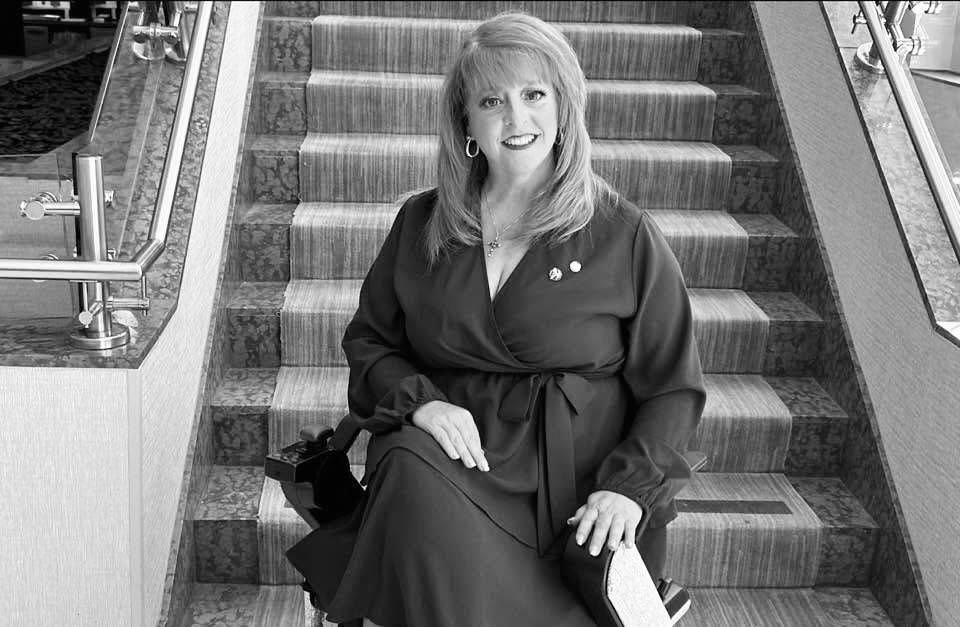
I read about the Knights of Columbus meeting in Lincoln where 75 residents showed up to oppose 28 homes on Wilbur Road. Eighteen of those units are fully accessible cottages. And the reaction? Shouts of “greed.” Complaints about pickleball courts. Fears of extra 911 calls because disabled people might live there.
This is exactly why we need this project.
Right now, only 1 percent of housing in the U.S. is accessible. In Rhode Island, 26 percent of us are disabled and 51 percent use a mobility aid at some point in their lives. Yet when someone tries to build homes we can actually enter, the neighborhood shows up with yard signs and legal threats.
We are all temporarily abled bodies. Break a leg next week. Have surgery. Age. Need a knee scooter. Use a walker after a stroke. Suddenly, your own home locks you out. Or your parents can’t visit for Thanksgiving. Or your kid can’t have friends over because no one else has a ramp.
Accessible housing isn’t “special” housing. It’s family housing. It means grandparents can come for the holidays. Friends can stop by without planning a military operation. It means we can make memories in our own communities, not be exiled to nursing homes because there’s nowhere to live.
Residents said, “Do you really need a pickleball court for handicapped people?” Yes. We do. We need joy. We need community. We need to be treated like neighbors, not liabilities.
The argument that 28 homes will “destroy” a rural area rings hollow when we refuse to build anywhere. Cottages on Greene in East Greenwich is respected. This is the same concept. Smaller footprints. Mature trees kept. Home ownership, not rentals. And seven affordable units that the developer admits he’s taking a loss on.
You say $378,000 “isn’t affordable.” You’re right, because accessibility costs more to build. Wider doors. Zero-step entries. Roll-in showers. That’s the price of exclusion. When 99 percent of homes are built for non-disabled bodies, the 1 percent left becomes expensive. The solution isn’t to build less. It’s to build more.
Lincoln hasn’t met the 10 percent affordable housing threshold. That makes the town vulnerable to projects with no community input. This developer is holding public meetings, answering questions, and going above state law for comprehensive permits. That’s not greed. That’s process.
You can’t say you support disabled people and then fight the only housing we can use. You can’t claim to care about “safety” while calling 911 calls from disabled residents a “burden.” You can’t honor inclusion advocates on your stages and then shout down ramps in your neighborhoods.
This isn’t about density. It’s about who you think deserves to live here.
Build the cottages. Build the ramps. Build a town where all of us can come home for the holidays.
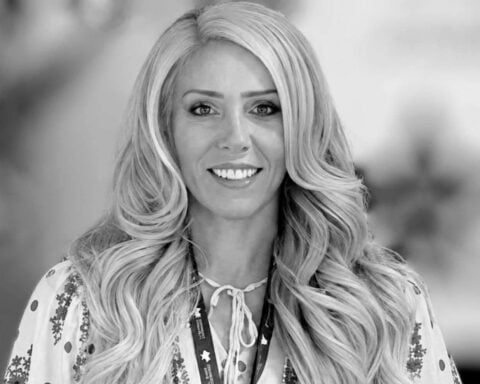
Tina Guenette
CEO/ Founder RAMPDisability Advocate