



LINCOLN/CUMBERLAND – Officials in Lincoln have effectively banned development of data centers in all of the town’s zoning districts, and Cumberland appears to be up next.
Lincoln Councilor Ken Pichette explained to colleagues at an Aug. 18 meeting that he proposed switching away from a special use permit or allowed to a firm no in all zones because the town has limited resources, including its water.
This prohibition doesn’t mean Lincoln can’t change something down the road, said Pichette, but now is the perfect time to be jumping ahead of this situation to prevent data centers everywhere in town.
Councilor Bruce Ogni agreed, saying he doesn’t believe they should ever say never or lock out a use permanently, as situations can change and something down the rod could benefit the town.
The motion to adopt Pichette’s resolution was then unanimous.
Pichette later said that he’s been following the situation in Smithfield, which now faces the possibility, since an application was submitted prior to passage of an ordinance, of being forced into something.
“I didn’t want to see Lincoln in this same situation, so I asked the town planner if she could submit the wording and add this particular use to our zoning charters and mark it N, which stands for not allowed, throughout the various zones in town,” he said. “I’m glad we got ahead of this situation by doing this in order to control this aspect of what can happen in our community.”
With the amount of water, power, and noise tied to these buildings, this will protect the town’s resources and safeguard against noise for residents, he said. The Planning Board first gave its unanimous recommendation, he said, and then the council spoke as one to approve it.
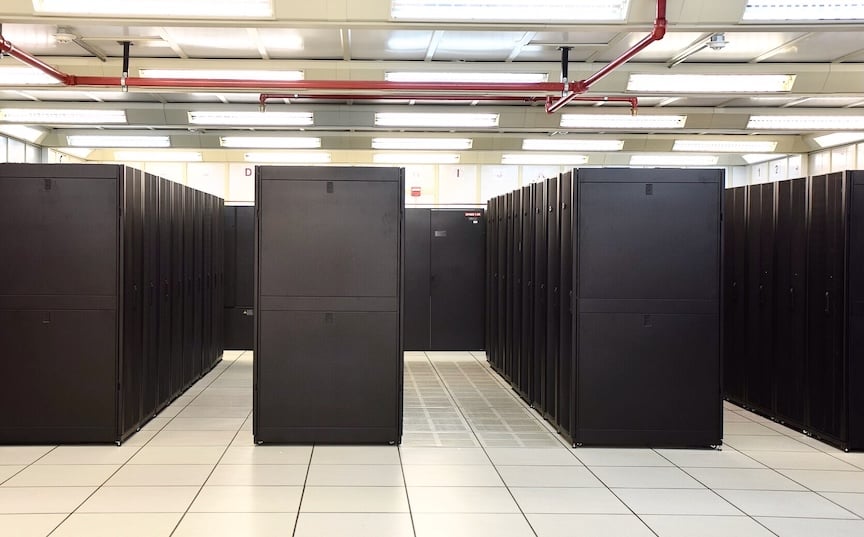
Over in Cumberland, Councilor Jodi Harrington-Sweet is proposing a similar amendment against data centers. It defines them as a building, structure, facility, or portion thereof, or a group of buildings, structures, or facilities located on a single site or on contiguous sites, used for the storage, processing, transmission, or management of digital data or applications using computer servers, data storage equipment, network equipment, and associated mechanical, electrical, cooling, and backup-power systems.
The ordinance to add data center as a prohibited use in all town zones was presented for public hearing on Aug. 19, after the Cumberland Planning Department put forward the request at Harrington-Sweet’s request.
The Planning Department, states a synopsis, finds that the proposed zoning ordinance amendment meets the goals and purposes of the Comprehensive Plan as follows:
• Important natural resource areas, including wetlands, wildlife habitats, groundwater aquifers and salt marshes, will be protected
• Our natural resource systems, sensitive water resources, and natural habitats will be preserved and protected for future generations
• Promote sustainability in energy production and use
• Sustain our municipality’s high quality of life and preserve its unique attributes
“With the exponential growth of Artificial Intelligence (AI) as a tool over the past decade at both enterprise and individual levels, Data Centers have emerged as a type of infrastructure that many tech companies in the U.S. require to operate competitively,” stated the recommendation. “While there is growing support federally for the development of these facilities due to the perceived economic benefits, there are serious environmental and public health concerns related to the operation and maintenance of Data Centers that have negative impacts on the communities that host them.”
Planners then listed various health and resource impacts from data centers.
Residents praised Harrington-Sweet for her proposal, including one who said he opposes data centers less for their direct impacts on energy use, but more how they are used to collect personal data to building AI models.
Natalia Rosemill urged the Cumberland council to listen to the opinion of the public and community both on data centers and Flock cameras because both have a big impact on the community. She said to make sure residents are consulted and their voice is considered.
Others also advocated for the Flock cameras to be removed. Resident Ron Carlstrom said the Flock cameras have a good record of solving crime, but they are clearly capable of more than what Chief Matthew Benson stated back in 2024. He said they should bring the chief back in to answer questions on exactly what the license plate-reading cameras are used for and how, and they should push for answers on every aspect.