



PAWTUCKET – The narrative around Pawtucket as a place full of empty mills is now decades out of date, say those who have driven the transformation of these old centers of industry.
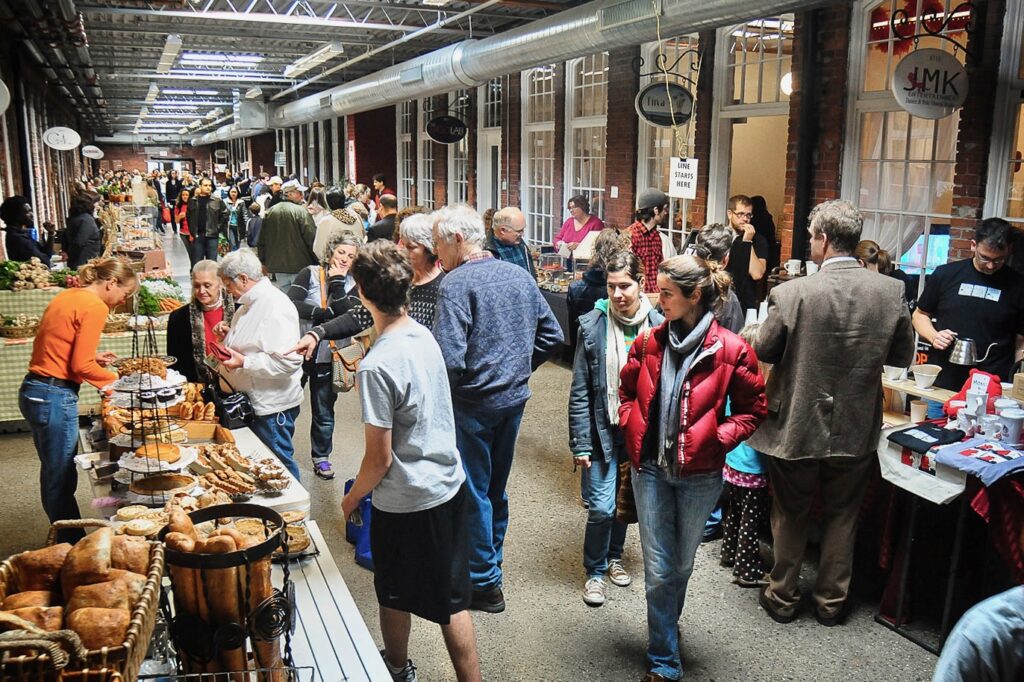
Many of Pawtucket’s mills were revived as hubs for the arts 20 years ago, and while arts are still a big part of what they are, say owners and developers, a number of those have now transitioned to being full-scale destinations for shopping and services.
The mills that powered the American Industrial Revolution are now helping to reshape Pawtucket’s economy of the future, they emphasize.
Much of the attention of late has been on the city’s large-scale residential growth within mills, particularly around the train station, but mixed-use mills full of businesses are also having their day.
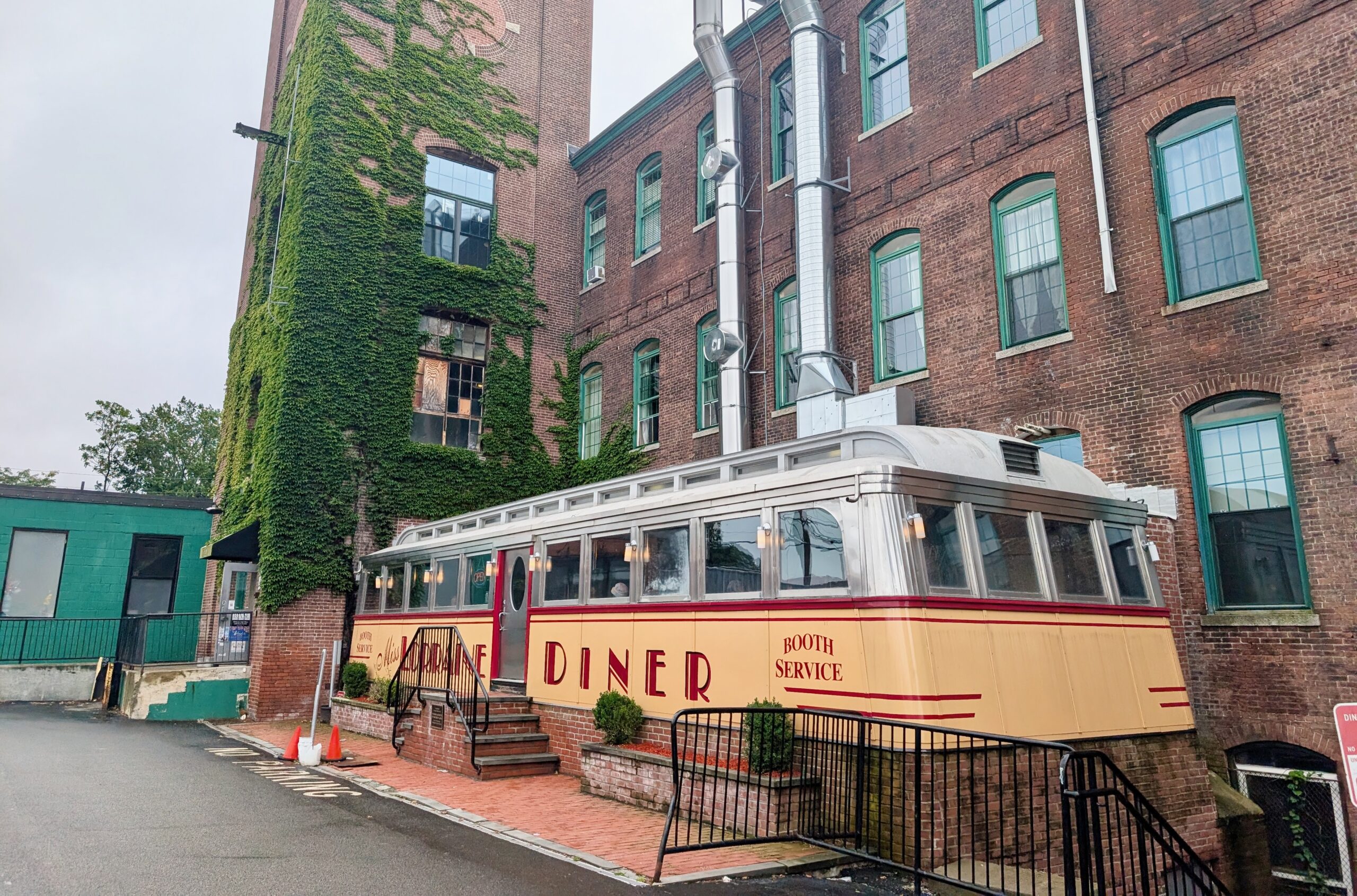
On a recent visit to the Miss Lorraine Diner at the Lorraine Mills, 560 Mineral Spring Ave., one city resident said she was getting her hair done first and then grabbing a bite to eat. If she had felt so inclined, she could have then gone to a play, taken some martial arts classes, and perhaps topped it all off with a drink or two.
That type of visitor has long been the norm now, said Jonathan Savage, who owns this facility and several other mills in Pawtucket. He said arts are still big, but so too are residences, live-work spaces, and spaces for commerce, including food specialty businesses and service companies, among others.
“If you think of an old-time village, it’s similar to that,” he said,, adding that people live here, work here, there are a still lot of artists, and new ones all the time.
There are almost no vacancies currently in any of his half-dozen mills, said Savage, and he expects that trend to continue. He said the Lorraine Mills represents probably the biggest success story among his portfolio when it comes to building a broad and diverse community of different types of businesses and people.
“It’s really an extraordinary community,” he said of a complex that is home to the Miss Lorraine Diner, Mixed Magic Theatre, White Dog Distilling, Crooked Current Brewery, the Pawtucket Arts Collaborative, Rhode Island Monthly, A Guy & His Pie, and others.

Savage, who in 2022 also purchased the mills at 545 Pawtucket Ave. and 250 Esten Ave., is now bringing in a new partner, Will Rawlings, at the Lorraine Mills. He said Rawlings is “a great young man” who will be on site a lot and will be tasked with preserving and improving everything they’ve built over the the past 30 or so years that he’s owned and invested millions of dollars into the building.
Rawlings, Savage said, will focus in a number of areas on a full-time basis, able to pay attention to details better than he can with so many other efforts going on in his life. That will include fixing the Lorraine Mills up to beautify the facility, he said, and also upgrading some of the residential live-work spaces that are now two decades old.
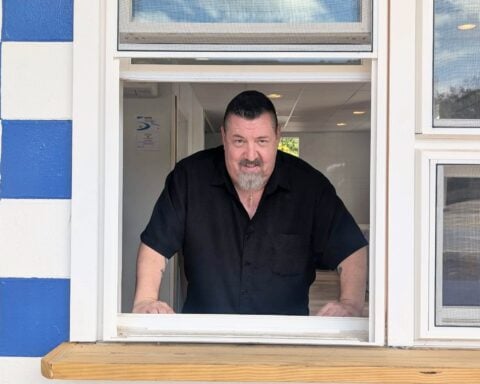
Rawlings told The Local Insider that he’s been friends with Savage for a while, and he’s very familiar with Pawtucket after working here for nearly a decade. The building could “use some love,” he said, and “has a lot of potential to be even better than it is now.”
“I see it as a community landmark, and people should see it that way,” he said.
There are more than 100 small businesses at the Lorraine, a “cool mix of residential and commercial,” Rawlings said, and the task now is to get the word out to an even wider public about what’s available.
“We’re focused on making it a better place to do business, making it more widely known, and making it a bigger benefit to community, getting businesses more actively involved in the city,” he said. “It’s a really special place.”
Past events such as Lorraine Mills Fest perhaps weren’t pushed or supported enough, he said, and this is the type of “holistic community” that should be regularly pulling these types of festivities off with great success.
Rawlings said they’ll be focusing on making common areas nicer and enhancing the mill with better landscaping as they make it a more visually appealing place.
A huge component of the mill’s growing success will be implementing great signage and a way-finding program, said Rawlings. Every day, it seems, he comes across someone meandering about looking for a certain unit, a reality that “can be a real drag” for businesses, he said, and they’re going to change that.
Mayor Donald Grebien said arts are still a key component of the city’s mills, and what drove people here in the first place, but there are so many other types of businesses now thriving, including breweries and distilleries, restaurants, martial arts studios, and theaters, among others. Residential development, such as at Savage’s Lorraine Fabrics building across the street from 560 Mineral Spring Ave., have been important in boosting neighborhood populations to help support those businesses, he said.
City officials from the beginning of Pawtucket’s arts renaissance have held that artists and arts-based companies should be considered equal to any other small businesses.
Asked about perception vs. reality, Grebien said sometimes certain people still believe mills are vacant because they’re perhaps not as attuned to social media as some younger people, and aren’t seeing the same marketing about what’s inside.
The mixed-use concepts at mills such as Lorraine are creating tremendous value as “life centers,” said Grebien.
“For the most part, they’re maxed out,” he said of available spaces.
Savage said that though younger people drive a lot of passion, time, and excitement in facilities such as 560 Mineral Spring Ave., the clientele in the Lorraine Diner at any given time, or next door in the same building at the Pawtucket Arts Collaborative, shows that there is a broad cross-section of ages now frequenting the mill.
Some of the city’s mostly residential redevelopments have similar concepts of everything being in one spot, such as Dexter Street Commons, said Grebien. Though it won’t be true mixed use, amazing amenities are built in, he said, and there will also be two storefronts, including a restaurant, on the first floor.
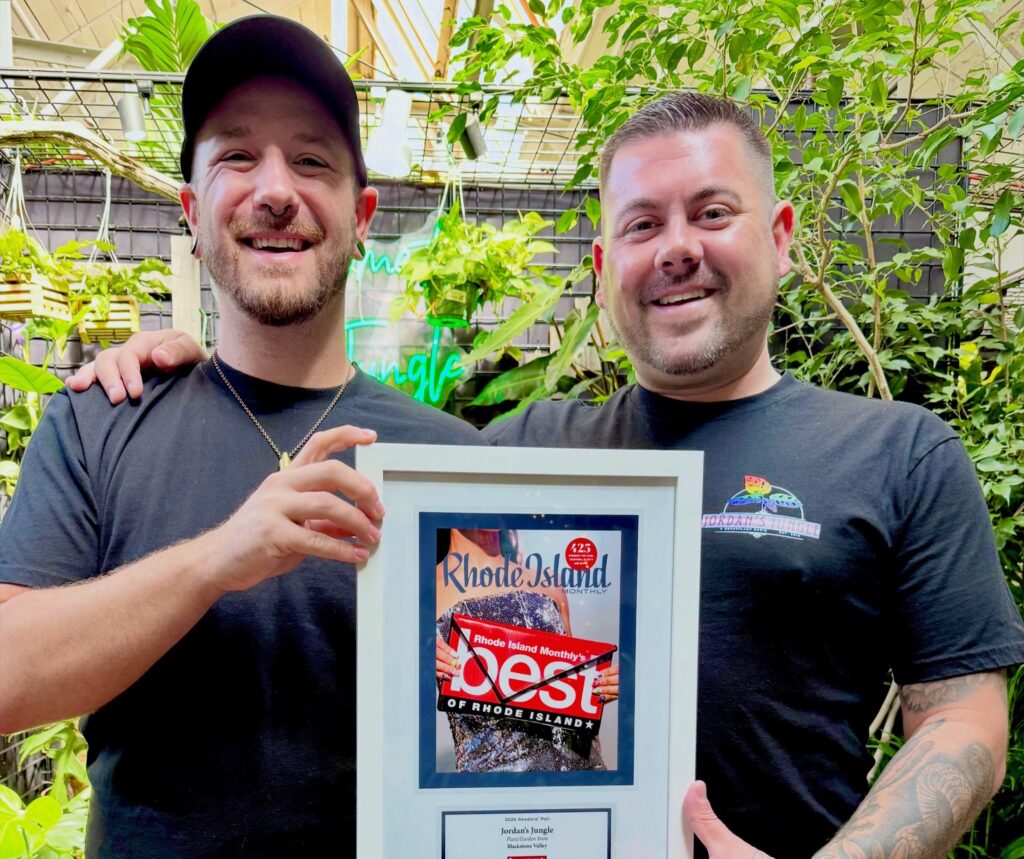
Some of the businesses in mills such as 545 Pawtucket Ave. are known far and wide, he noted, including Jordan’s Jungle and The Map Center.
City data on residential mill redevelopment from 2004 through 2025 reveals a compelling story, both on residential and commercial.
Since 2004, nearly 20 residential redevelopment projects in existing Pawtucket mill buildings have led to the creation of thousands of housing units. After redevelopment, the properties now generate nearly $200 million in assessed value, producing millions of dollars in tax revenue annually.
The American Wire Residential Lofts, located on Central Avenue, transformed a former industrial complex into 140 residential units. Before redevelopment, the property generated $80,485 in annual tax revenue. After redevelopment, that figure soared to $580,830.
The Riverfront Lofts at 10 Exchange Court now generate $521,314 in annual tax revenue, compared with $25,271 before, and other projects show comparable growth. Slater Cotton Mill Apartments increased annual tax revenue from $33,335 to $263,383, while Nulco Lofts on Beecher Street saw revenue rise from $31,643 to $239,649.
At Hope Artiste Village, the assessed tax revenue increased from just under $20,000 to nearly $258,000 annually. Tax revenue at 560 Mineral Spring Ave. jumped to $130,000 annually as of 2025, on a valuation of $5.6 million, from $107,000 previously.
In addition to the revenue, adaptive reuse has also helped preserve Pawtucket’s architectural heritage.
The Lorraine Mills features about 140 artists and creative businesses, while Hope Artiste Village contains about 160 businesses. The Fountain Street Studios are home to roughly 50 creative businesses, while additional companies operate in locations such as the Creative Commerce Center (home to the Electromagnetic Pinball Museum), Blackstone Studios, and The Mills complex.
Mill owners, in many instances, have resisted offers to take the easy route and give up on sometimes slow and expensive mill redevelopment efforts. Wayne Rosenberg, of the Creative Commerce Center at 881 Main St., was among those who rejected offers to sell to self-storage companies.