



LINCOLN – This town will want to keep a close eye on booming development over the next few years, officials said this week, to prevent negative impacts.
Those effects could especially be felt in local classrooms, they said, with more housing developments ultimately expected to bring more students.
Councilor Arthur “TJ” Russo said officials from various departments, including the School Department, recently met to discuss the issue of development, including the state’s push to to promote construction of more homes.
The town is one of a few with growing enrollments, Russo said, and families are being attracted to beautiful schools. That’s a good thing overall, he said, but it’s also something to watch as they look to preserve quality of life and rural character.
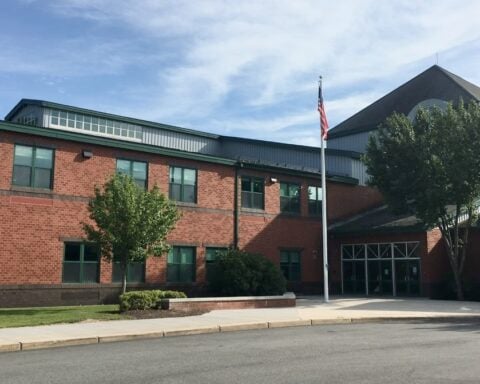
Conservative estimates predict some 661 new housing units being built in Lincoln over the next five or 10 years, said Russo, leading to near-minimum projections of 217 more students. Those would include 45 students at Northern Elementary School, 53 at Saylesville, and 67 at Lincoln Central.
One truth that struck him during the recent meeting was that even though there is some extra space in certain schools, some classrooms are already at capacity, with 25 to 27 students per classroom, said Russo.
This is the future the town is looking at, he added, and they need to take positive steps and try to anticipate development by keeping a close eye on it. He hates to say the word, said Russo, and there’s really no place to move students, but the idea of redistricting will also probably come up as the town takes steps to accommodate all new students.
He said this is truly an “unnatural housing event” being seen currently, well beyond what would be seen in a typical community without all the added pressure from the state. Standard times have meant moderate new construction and families moving in and out, with “small blips” from year to year, but the very aggressive stance taken by the state is creating a new reality where Lincoln could see a surge of students and not have the appropriate capacity to handle them.
Officials from all departments are on it, said Russo, and they’re putting their heads together on how to proceed. He said the town’s voice really hasn’t been heard at the state level.
He said they hope to convince some developers to go with senior living facilities and more studio and one-bedroom units, which would certainly help bring down he projected enrollment numbers.
Russo said he attended a Planning Board meeting and came away very impressed with the “exceptional group of very professional people” considering projects for the town. He said they’re asking probing questions, are getting the details, and making sure the town’s concerns are at the forefront. As an attorney who deals with these types of matters in many other communities, he said, Lincoln is in good hands with these “guardians at the gate.”
Councilor Bruce Ogni asked if there’s been any conversation about buying up properties to limit development, but Russo said that wasn’t really the purview of their committee. Ogni said he grew up in a city, and while it was good then, he was happy when he could afford to move out to a place such as Lincoln. He said the town should work as hard is it can to limit development.
Having more and more people “on top of each other,” Ogni said, also brings more issues between neighbors, and some of the problems requiring more of a police presence then arrive.
Town Administrator Phil Gould concurred that development trends are a bit scary right now, particularly with strain on schools and certain classroom grades. With so many comprehensive permit applications being submitted and density bonuses being allowed, he said, officials are faced with not knowing what to expect with students’ ages, making it a moving target.
Gould said he recently filled out his legislative priorities for the Rhode Island League of Cities and Towns, and he emphasized that one-size-fits-all legislation at the state level doesn’t work. He said local officials need to be able to maintain a little bit of control on how their communities are developed. Affordable housing is important, he said, but it also needs to be done responsibly. Gould said he appreciates the council’s efforts on this topic.