



FOSTER – Five years ago, Molly Cohen heard from a friend experiencing a pregnancy scare. They were seeking an abortion, but without health insurance, they struggled to afford one. The financial burden put them at risk: though medication abortion is very safe when used as directed, Cohen’s friend considered taking expired pills.
“Nobody should be in that position,” said Cohen. “And I didn’t have the knowledge even that recently to say ‘Oh, there’s an abortion fund that can exist to address literally this exact situation.”
Now, Cohen has just been hired as the first-ever executive director of the Rhode Island Abortion Fund (RIAF).
For nearly 40 years, RIAF has helped Rhode Islanders afford abortion and contraceptive care. The organization provides grant money to several clinics, which distribute the funding to patients who express need. RIAF also coordinates discounted treatment at Hey Jane, an online clinic that delivers abortion pills through the mail.
Every Rhode Islander qualifies for RIAF support, regardless of their income.
“We don’t ask people any questions for them to qualify. It’s more like, ‘you need funding? Great. We are here for that,” said Board President Kait Castillo.
Until now, RIAF has been run entirely by volunteers, many of whom have 9-5 jobs. They devote lunch breaks and late nights to managing RIAF’s finances, responding to patients in need, and liaising with donors, partner clinics, and other abortion funds in the country.
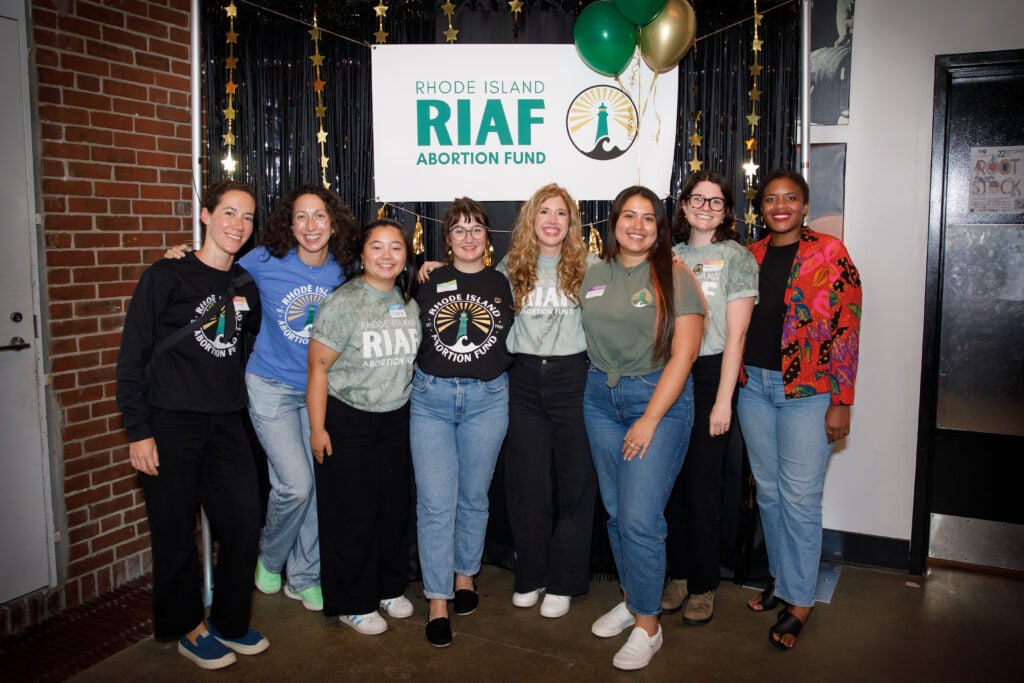
“It has been a really huge group effort to keep RIAF running,” said Castillo.
RIAF has occasionally contracted with consultants, but it wasn’t until last year that the board considered hiring a salaried director.
“We wanted somebody that was able to do more during the day,” said Castillo. According to the National Network of Abortion Funds, when a volunteer-run abortion fund hires one or two paid staff members, the number of callers it can support doubles.
The board looked for someone familiar with fundraising, social justice nonprofits, and the Rhode Island landscape. Cohen checked those boxes.
With more than a decade of experience working for social change nonprofits in Rhode Island, Cohen specializes in organizational development. She currently lives at a housing and farming collaborative in Foster, which she co-founded in 2023.
Cohen learned about abortion funds when she consulted for one in New York. It was around the time of the Dobbs decision, which revoked the constitutional right to abortion. Nationwide, the costs associated with ending a pregnancy skyrocketed, and abortion funds reported a 39 percent increase in requests for support.
Though abortion remained legal in Rhode Island, Cohen recognized that “legal and accessible are very different things,” she said.
An abortion typically costs around $600, a price that can be overwhelming. As of 2023, Rhode Island’s state insurance only covers abortions at the two in-state clinics, both in Providence. Long wait times have pushed many Rhode Islanders to seek expensive care in neighboring states.
“There are so many people who have that [financial] shock moment at a time where they also have a ticking clock,” said Cohen. “People increasingly don’t have emergency funds on hand to be able to deal with a health expense and still be able to pay their rent.”
RIAF helps fill the gap.
One of RIAF’s partner clinics is Four Women Health Services in Attleboro. Many of their patients are unemployed and unable to afford care, said an employee named Joanne. “If there’s a long wait in Rhode Island, they can come here and know that they’ll have financial assistance.”
Each month, around five to seven Four Women patients use RIAF funding.
In the clinic’s bathroom, patients chalk messages of encouragement to each other: “We have choice for a reason. Do what’s best for you <3,” reads one. Another says, “To freedom.”
Castillo emphasized that abortions have helped Rhode Islanders finish college, raise their existing children, leave abusive partners, or avoid homelessness. People who have used RIAF funding have told them, “This helped me, this changed my life.”
Unlike many other abortion funds, RIAF is well funded by private grants and individual donations. But due to volunteers’ lack of capacity, not everyone who needs RIAF support is aware that the resource exists. Cohen said she hopes to change that.
“It just makes you want to go door to door in Rhode Island,” she said.
Cohen also plans to build relationships with other organizations, local businesses, and community leaders.
“What is our role in solidarity with other Rhode Island nonprofits who are tackling issues that intersect and are really intertwined with the ones that we focus on?” she asked.
According to Castillo, RIAF has heard from individuals who are experiencing domestic violence and need to pay for an abortion without an abusive partner seeing the transaction. While RIAF volunteers currently refer these patients to outside support, both Cohen and Castillo hope to expand RIAF’s resource bank.
They also want to reach Rhode Islanders who can support RIAF by donating time or money. Because RIAF lacks overhead costs, all donations directly support abortion-seekers in Rhode Island.
Cohen analogized supporting RIAF to serving as an abortion clinic escort.
“When you’re standing with somebody on the sidewalk and you’re the physical person … between them and somebody who’s screaming at them, you can understand really tangibly how you are providing support for that individual in that moment,” she said. “I want people to be able to understand and experience when they’re donating time or money [to RIAF], that that is pretty close to being similarly on the front lines in the moment when somebody really needs that help.”
Anyone who needs help funding an abortion can learn about the process here, or email . Those interested in supporting RIAF’s work are invited by the organization to donate monthly, sign up to volunteer, or subscribe to the newsletter at riabortionfund.org.